Is Comuna 13 worth it?
Over a million people visited the corridor in 2024. Here is who the half day genuinely suits, who should skip it, and how heavy the Sunday crowds get.
 By Andrés Restrepo, Comuna 13 tour guide & cultural specialist
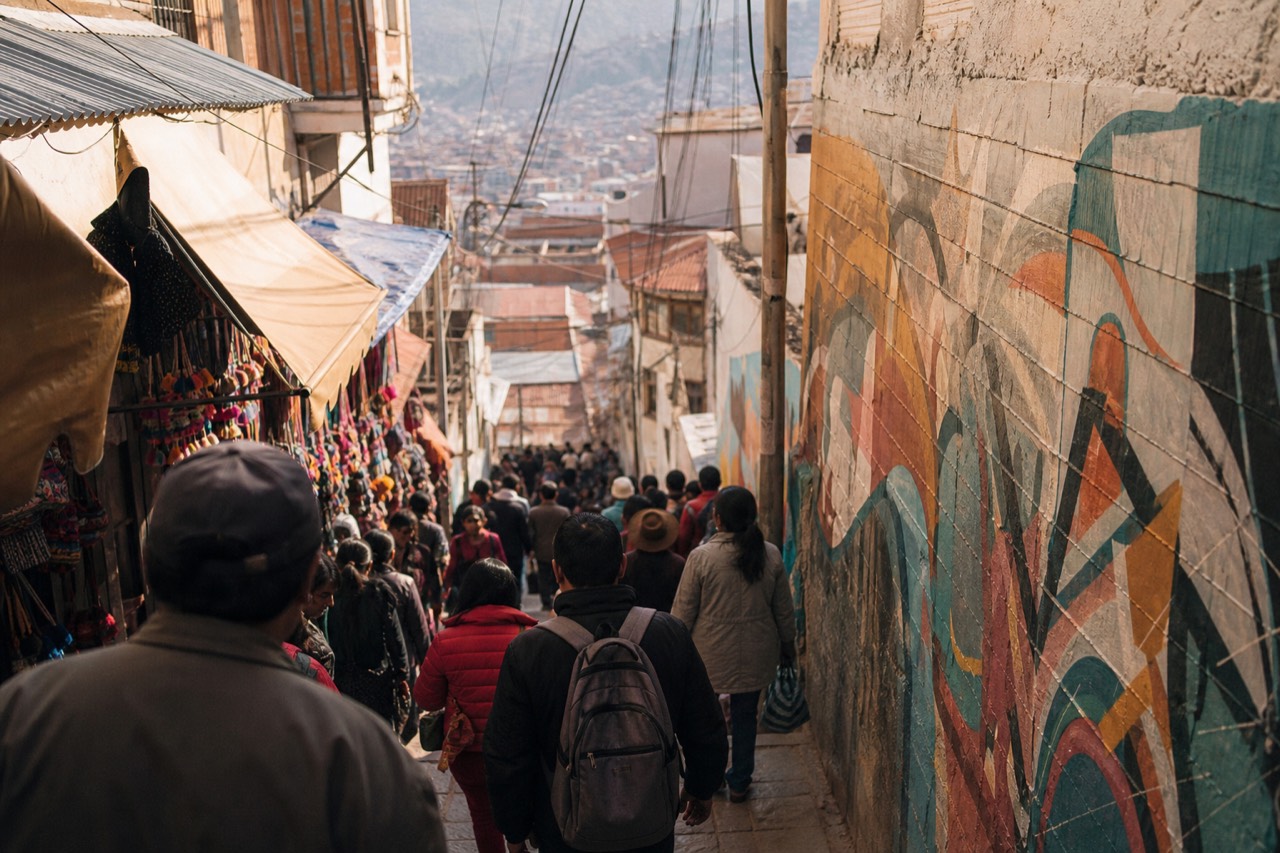
More than a million people walked the tourist corridor of Comuna 13 in 2024, which makes it the most-visited place in a city that took over a million international arrivals the same year. A hillside that was one of the most dangerous urban areas in the Americas twenty years ago now has queues for the escalators. That transformation is the product, and whether it is worth your morning depends entirely on what you want from it.
Prices and review counts are August 2026 examples, not live quotes. Itinerary details were rechecked on 15 September. Confirm the final price for your date and party with the provider.
What makes the half day worth it?
Three things: street art that exists as a direct response to real events, a public transport story you can ride rather than read about, and a neighbourhood that decided to tell its own history in public. Nowhere else in Colombia does all three within two square kilometres.
The murals are not decoration and they are not a gallery. Most of what you see refers to specific things that happened on those streets, above all Operation Orion in October 2002, the largest urban military operation in Colombia's recent history, and the disappearances that followed it. Exhumations at La Escombrera are still under way. A guide who grew up here can point at a wall and tell you which week it is about.
The infrastructure is the second half of the story. Six sections of outdoor escalator, roughly 384 metres of assisted climb, opened in stages through 2011 and 2012, free to everyone, running about sixteen hours a day. They were a bet that connecting a hillside to its city would do more than policing it. Riding them is a strange experience once you understand that they were built for the people carrying shopping past you, not for you.
Then there is the culture that grew alongside it: hip-hop crews, graffiti collectives, kids who learned to paint instead of the alternatives on offer. The background to how the barrio got here is worth reading before you go, because the visit lands differently when you already know the timeline.
Who should skip Comuna 13?
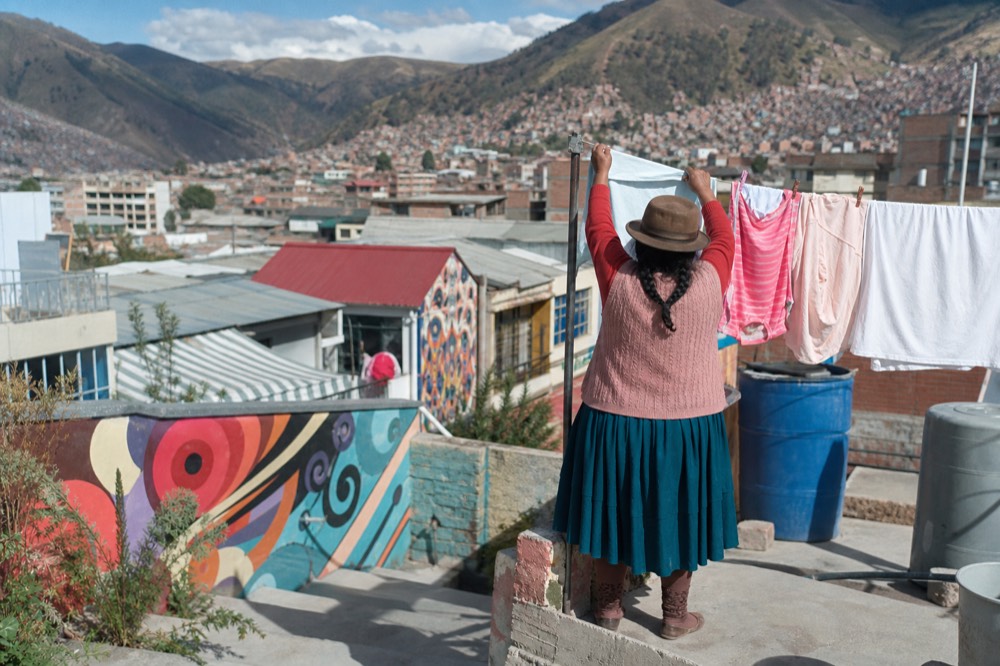
Anyone who needs a place to feel undiscovered. The corridor is busy, commercial, full of stalls and other visitors, and it does not pretend otherwise. If your measure of a good travel day is being somewhere tourists are not, this will read as a theme park version of itself.
That is a real criticism and worth taking seriously rather than arguing away. The stretch between the metro and the top viewpoint carries souvenir stands, drink kiosks, performers working for tips and several tour groups at once. Some visitors find that energising. Others find it hollow, and describe the sensation of watching a neighbourhood's trauma sold back to them in postcard form.
| Worth it if you | Skip it if you |
|---|---|
| Want the history behind the art | Only want photographs of walls |
| Are comfortable in busy public places | Need quiet to enjoy anywhere |
| Have three to four hours free | Are in Medellín for under a day |
| Care how cities change | Are looking for untouched authenticity |
| Will take a guide, or read first | Expect the murals to explain themselves |
| Can go on a weekday morning | Can only go Sunday afternoon |
There is also a framing objection that deserves its own answer. Some people arrive expecting poverty tourism and feel uneasy about it. The neighbourhood's own position, expressed through the guiding collectives that formed there, is that visitors are welcome and the income is real, provided the story told is theirs. The question of whether "slum" is even the right word is a longer one, and the short version is that it is not.
How crowded does it actually get?
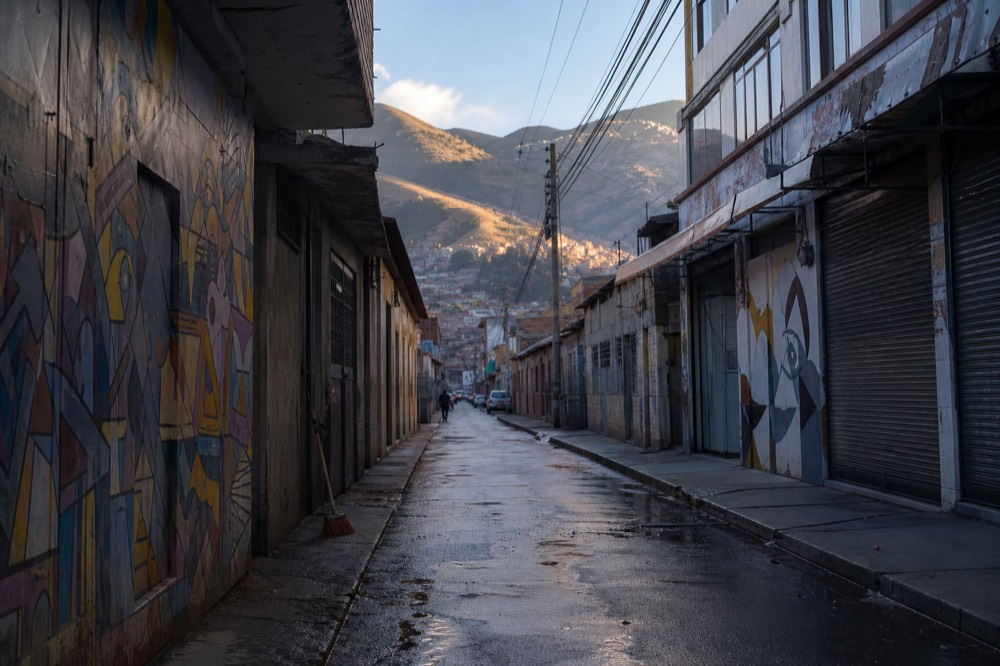
Sunday is the busiest day of the week, and late morning onward is the busiest window on any day. A weekday start around 9 or 10am gives you the escalators before the groups stack up. By early afternoon on a Sunday the upper terraces are shoulder to shoulder.
Crowding here is predictable, which means it is avoidable. The corridor fills on a schedule.
| When | What it feels like |
|---|---|
| Weekday, 9 to 11am | Calmest realistic window, groups still forming, best light |
| Weekday, 11am to 2pm | Busy, several tours overlapping, terraces full |
| Weekday, late afternoon | Thinning out, higher chance of rain between April and May and October to November |
| Saturday, any time | Heavy from late morning, local visitors as well as foreign ones |
| Sunday, morning | Already filling, the day the whole city goes out |
| Sunday, afternoon | The most crowded version of this visit |
Weather pushes in the same direction. Medellín sits between about 19 and 22°C in every month of the year, so temperature never decides anything, but afternoon rain is common in the wetter stretches, with May the wettest month at roughly 268 mm against January's 112 mm. Mornings beat both the crowds and the cloud. The detail on which hours and months work best is in the timing guide.
Is it worth taking a guide, or can you just walk up?
A guide is what makes the visit worth it, because the walls do not caption themselves. Walking up alone costs about COP 8,800 in metro fares and gives you a pleasant hour of looking. Guided walks start at $14 and give you the events those walls refer to.
You can absolutely go independently. Line B ends at San Javier, the escalators are public, there is no entry fee and the corridor is heavily walked and policed in daylight. Plenty of people do it and enjoy it. What they usually report afterwards is that they saw the art and missed the argument it is making.
The difference in money is small. A round trip on the metro is roughly COP 4,400 each way, and one integrated fare covers the Line J cable car up to La Aurora as well, so an independent visit runs a few dollars. The cheapest guided walks are $14 to $16 for three hours with snacks included. If you want the ride above the rooftops as part of it, the routes that include the cable car are the ones to compare, and you can check morning availability on the most-booked route before you commit to a date.
For anyone set on doing it alone, the independent walk-up route covers the practical side. And if you are still weighing this against other things in the city, the full twelve-tour comparison shows what each format costs and how long it takes, alongside what Colombia's tourism board says about Medellín as a base for the rest of your trip.
Frequently asked questions
Is Comuna 13 worth visiting in 2026?
For most visitors, yes. It is Medellín's most-visited site, with over a million people through the corridor in 2024, and the combination of street art, recent history and public transport built into a hillside has no real equivalent elsewhere. The main reason to skip it is a low tolerance for crowds.
How long do you need in Comuna 13?
Three to four hours covers it properly, including the metro out and back from El Poblado, which takes 30 to 40 minutes each way. Shorter walks run two to three hours and skip the cable car. A full-day city tour that includes the barrio runs seven to eight hours with lunch.
What is the best day to visit Comuna 13?
Any weekday, starting between 9 and 10am. Sunday is the busiest day of the week and late morning onward is the busiest window on any day, so a Sunday afternoon gives you the most crowded version of the visit. Mornings also beat the afternoon rain in the wetter months.
Your next step
Make room for the experience
An editorial starting point — adjust it to your plans below.
Comuna 13 food & mural walk
Have a travel date in mind? Three hours of murals, escalators and local snacks: empanadas, patacón and mango ice cream. Check the departure before arranging the rest of your day.
Meet at Garden Coffee in Comuna 13; transport is extra. Shared group, maximum 40.
Choose a date to see scheduled departures. Final availability and price are confirmed on Viator.
Times are local to Medellín. Schedules do not reserve a place.No verified option fits these choices. Adjust the filters or reset to the general recommendations.
Compare options, fit and whole-party costs
Comuna 13 True Story & street food — Hear the neighborhood story with a local guide, mural stops, empanadas and a mango popsicle. Meet at Garden Coffee; confirm the address shown for your selected booking option.
Private Comuna 13 & metrocable — Your own guide, central Medellín hotel pickup and a three-hour Comuna 13/metrocable route. Priced per person, with food and tips extra. Confirm the precise pickup address and any mobility needs before booking.
Comuna 13 art & graffiti workshop — Walk with local guides, taste neighborhood snacks and learn spray-paint technique on dedicated practice walls. Three hours, maximum 10, Insiders Foundation meeting point. Not suitable for wheelchair users or hearing-impaired travelers.
Affiliate links support this guide. Product details checked 15 September 2026; confirm your selected option with the provider.