What is the number 1 tourist site in Medellin?
Comuna 13 is the city's most-visited site, with over a million visitors in 2024. How the metrocable, Plaza Botero and Guatapé compare, and when to go.
 By Andrés Restrepo, Comuna 13 tour guide & cultural specialist
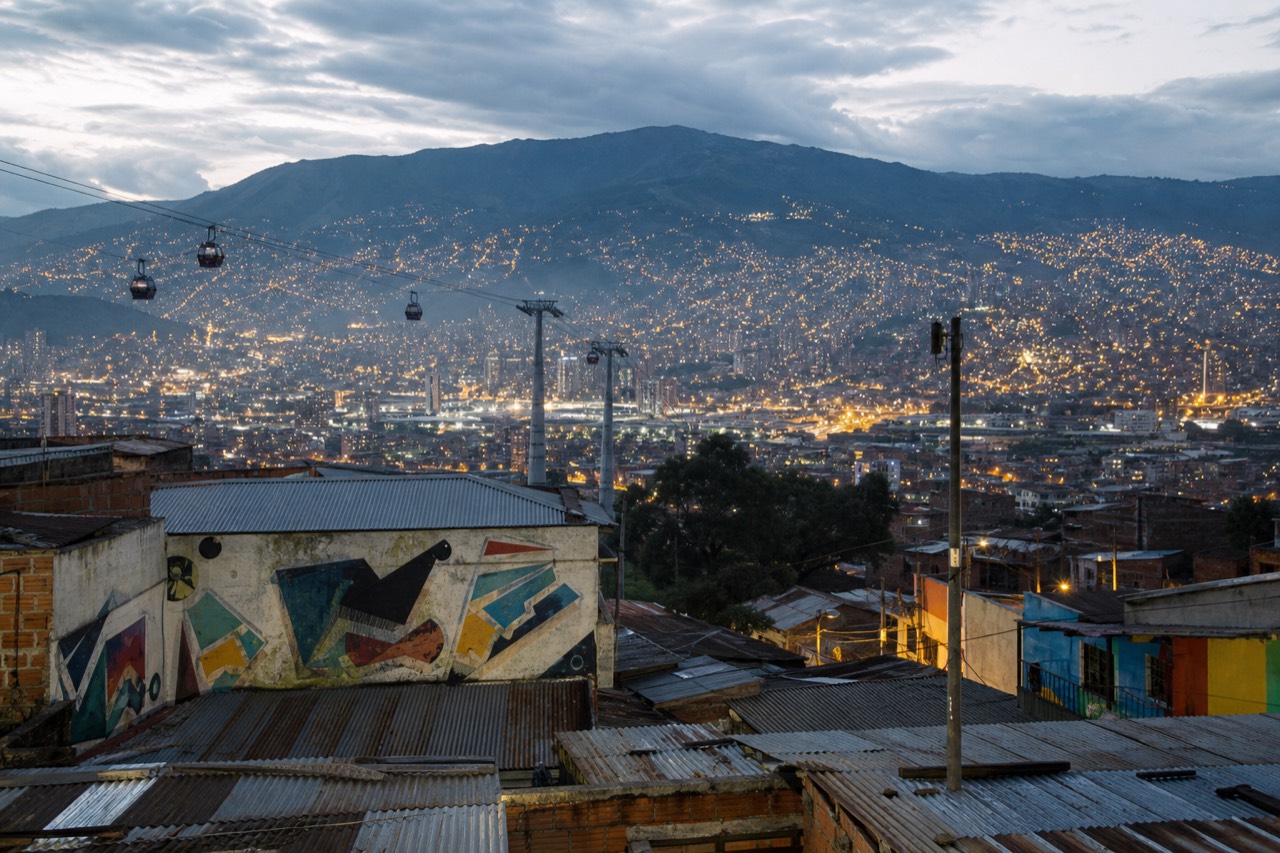
Medellín took over a million international arrivals in 2024. In the same year, more than a million people walked the tourist corridor of Comuna 13, a hillside neighbourhood in the west of the city that most visitors had never heard of a decade earlier. No cathedral, no museum and no plaza in the city comes close to that.
The gap is not subtle, and it says something about what people now travel to Medellín for. They are not coming for a collection or a monument. They are coming to see a place that changed, and to ride the infrastructure that changed it.
Prices and review counts are August 2026 examples, not live quotes. Itinerary details were rechecked on 15 September. Confirm the final price for your date and party with the provider.
Why does Comuna 13 top the list?
Because it combines three things no other site in Medellín offers together: street art tied to specific recent events, free public escalators built as a social experiment, and a neighbourhood that tells its own history out loud. It is also cheap, close and reachable entirely by metro.
The recent history is the anchor. Comuna 13 is district 13 of Medellín's sixteen comunas, on the western slope around San Javier, and in October 2002 it was the site of Operation Orion, the largest urban military operation in Colombia's recent history. Exhumations at La Escombrera continue. Almost every mural on the corridor refers back to that period in some way.
What turned a difficult history into the city's most-visited site was infrastructure. Six sections of outdoor escalator, about 384 metres of assisted climb, opened in stages through 2011 and 2012 at a cost of roughly six to seven million dollars, free to use and running around sixteen hours a day. Add the Line J cable car out of San Javier and a hillside that used to be effectively cut off became a twenty-minute ride from the middle of the city. The longer version of how that happened is worth reading before you go.
How do the other Medellín landmarks compare?
The metro and metrocable network is the strongest rival and is itself an attraction. The downtown sculpture square is an hour of your time and costs nothing. Guatapé is a full day out of the city. None of them draws visitors at the scale the barrio does.
The honest way to compare these is by the kind of day each one gives you rather than by rank.
| Site | What it is | Time needed | Cost to enter |
|---|---|---|---|
| Comuna 13, San Javier | Street art, recent history, escalators, viewpoints | 3 to 4 hours | Free, guided walks from $14 |
| The metro and metrocable | A transit system used as a sightseeing route | 1 to 3 hours | About COP 4,400 a ride |
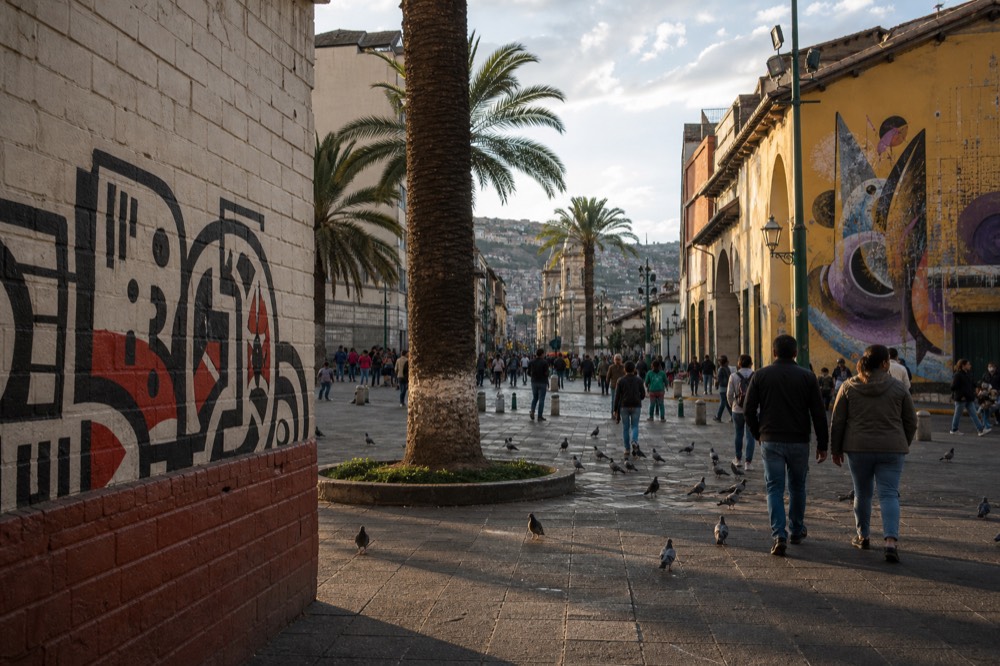
| The downtown sculpture square | An open public plaza in the old centre | About an hour | Nothing to enter |
| Guatapé and the great rock | A lakeside town and a climb, outside the city | A full day | Day-trip pricing varies |
| The hillside viewpoints | Valley panoramas from the surrounding slopes | 1 to 2 hours | Mostly free |
Two of those deserve a note. The downtown square is a genuinely good hour and it is free, but it is a stop rather than a destination, and it sits in a part of the centre where the usual city-centre caution applies. Guatapé is beautiful and it is not Medellín: it is a day trip that removes a whole day from your city time, which is a real trade if you have three nights. If you take that trade, the full-day version with the rock climb, the boat and both meals in the ticket is the one most people book, and it is a separate booking from any Comuna 13 walk; check dates and the current price here.
Is the metro itself an attraction?
Yes, and it is the city's quiet second answer. Medellín's metro is the only heavy-rail system in Colombia, and its cable car lines were built as public transport for hillside neighbourhoods rather than as rides. A single fare of about COP 4,400 covers the transfer onto them.
This is the detail most rankings miss. In most cities the cable car is a tourist product with a tourist price. Here it is a bus route that happens to fly. Line B ends at San Javier and one integrated fare carries you straight up Line J to La Aurora and back, which means the most photographed ride in Comuna 13 costs nothing on top of the fare you already paid to get there.
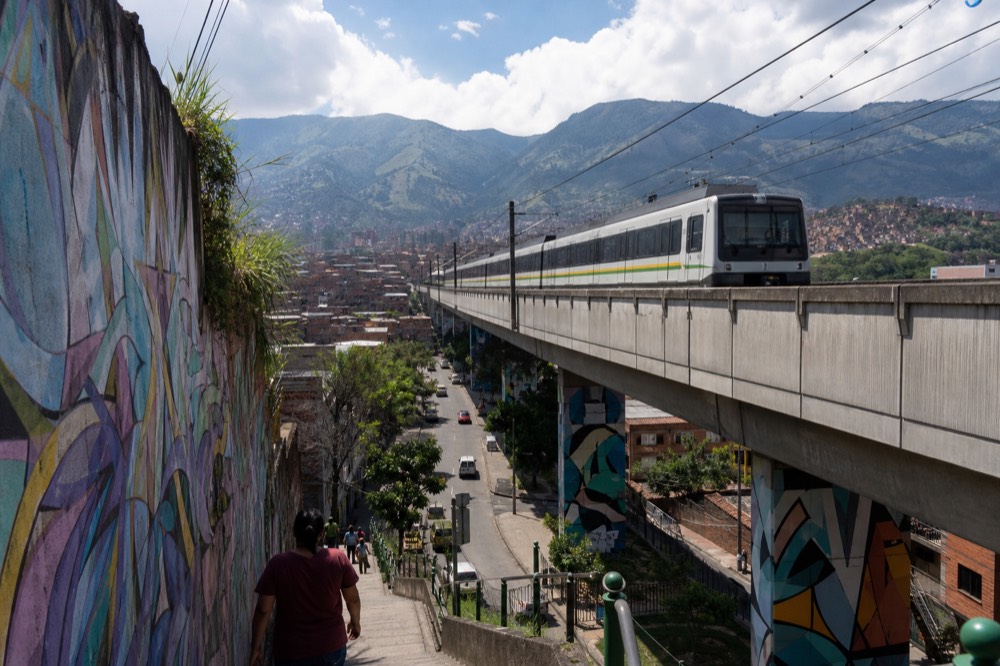
Riding it is also the fastest way to understand the geography that the murals are painted onto. Medellín sits in a narrow valley, the poorest neighbourhoods historically climbed the steepest slopes, and the cable lines were the city's attempt to shorten that distance. From El Poblado the whole trip to San Javier takes 30 to 40 minutes, which is set out in how the metro reaches the barrio.
One planning warning. The metrocable lines rotate annual maintenance between July and October, and Line J was closed for its window from 16 to 22 July 2026. Tours running in a closure week substitute a walking route, so nothing gets cancelled, but the ride is the reason some people book. If it matters to you, the tours built around the cable car list what each route covers, and you can check which dates still have space on the flagship morning before booking flights around it.
What does "number 1" mean for when you visit?
It means crowds, and crowds here are predictable. Sundays are the busiest day and late morning onward is the busiest window. A weekday start between 9 and 10am gives you the corridor before the tour groups stack, and beats the afternoon rain in the wetter months.
Being the most-visited site in the city has consequences on the ground. The corridor is narrow, it is residential, and a million visitors a year through a few connected streets is a lot of foot traffic for people who live there. Going early is both the better experience and the more considerate one.
| Time in Medellín | What fits comfortably |
|---|---|
| Half a day | Comuna 13 alone, guided, straight there and back on the metro |
| One full day | The barrio in the morning, downtown and a viewpoint in the afternoon |
| Two days | Add the metrocable properly, plus a slow evening in a residential neighbourhood |
| Three days or more | Now a Guatapé day trip earns its place without cutting the city short |
Weather nudges the same way. Colombia's tourism board describes a city that holds around 19 to 22°C all year, so packing is easy, but rain is seasonal and lands mostly in the afternoon, heaviest around April to May and October to November. May averages roughly 268 mm against January's 112 mm. The month-by-month case is in which months and hours work best.
If you would rather combine the city's top site with the rest of it in one ticket, day tours that pair the city with the barrio run seven to eight hours with lunch included, and all twelve bookable barrio tours are compared with current prices on the home page.
Frequently asked questions
What is the most visited place in Medellín?
Comuna 13, the hillside neighbourhood around San Javier in the west of the city. More than a million people walked its tourist corridor in 2024, more than any museum, church or square in Medellín, in a year when the city took over a million international arrivals.
How much does it cost to visit Medellín's top attraction?
Nothing to enter. Comuna 13 has no entry fee and no tourist tax, and the six sections of outdoor escalator are free public infrastructure. The only fixed cost is the metro, about COP 4,400 a ride, and guided walks start at $14 for around three hours.
Is Guatapé better than Comuna 13?
It is different rather than better, and it costs you a whole day outside the city. Guatapé is a lakeside town with a well-known rock climb, roughly a full-day round trip. Comuna 13 is three to four hours including the metro both ways, which is why it fits almost every itinerary.
Your next step
Make room for the experience
An editorial starting point — adjust it to your plans below.
Comuna 13 food & mural walk
Have a travel date in mind? Three hours of murals, escalators and local snacks: empanadas, patacón and mango ice cream. Check the departure before arranging the rest of your day.
Meet at Garden Coffee in Comuna 13; transport is extra. Shared group, maximum 40.
Choose a date to see scheduled departures. Final availability and price are confirmed on Viator.
Times are local to Medellín. Schedules do not reserve a place.No verified option fits these choices. Adjust the filters or reset to the general recommendations.
Compare options, fit and whole-party costs
Comuna 13 True Story & street food — Hear the neighborhood story with a local guide, mural stops, empanadas and a mango popsicle. Meet at Garden Coffee; confirm the address shown for your selected booking option.
Guatapé town, boat & rock visit — Visit Guatapé, take a boat ride and stop at El Peñol on a full-day trip with breakfast and lunch. Allow up to eleven hours. The rock-climbing entrance ticket costs extra; selected El Poblado pickups only.
Metro, cable car & Comuna 13 — Connect the city views and mural route with metro, cable-car and bus tickets included. Allow 4½ hours; meet outside the north entrance of Poblado station.
Affiliate links support this guide. Product details checked 15 September 2026; confirm your selected option with the provider.