Is Medellin safe for American tourists right now?
Colombia is at Level 3, but Medellin sits outside every do-not-travel department. What that means day to day, and the risks that actually affect visitors.
 By Andrés Restrepo, Comuna 13 tour guide & cultural specialist
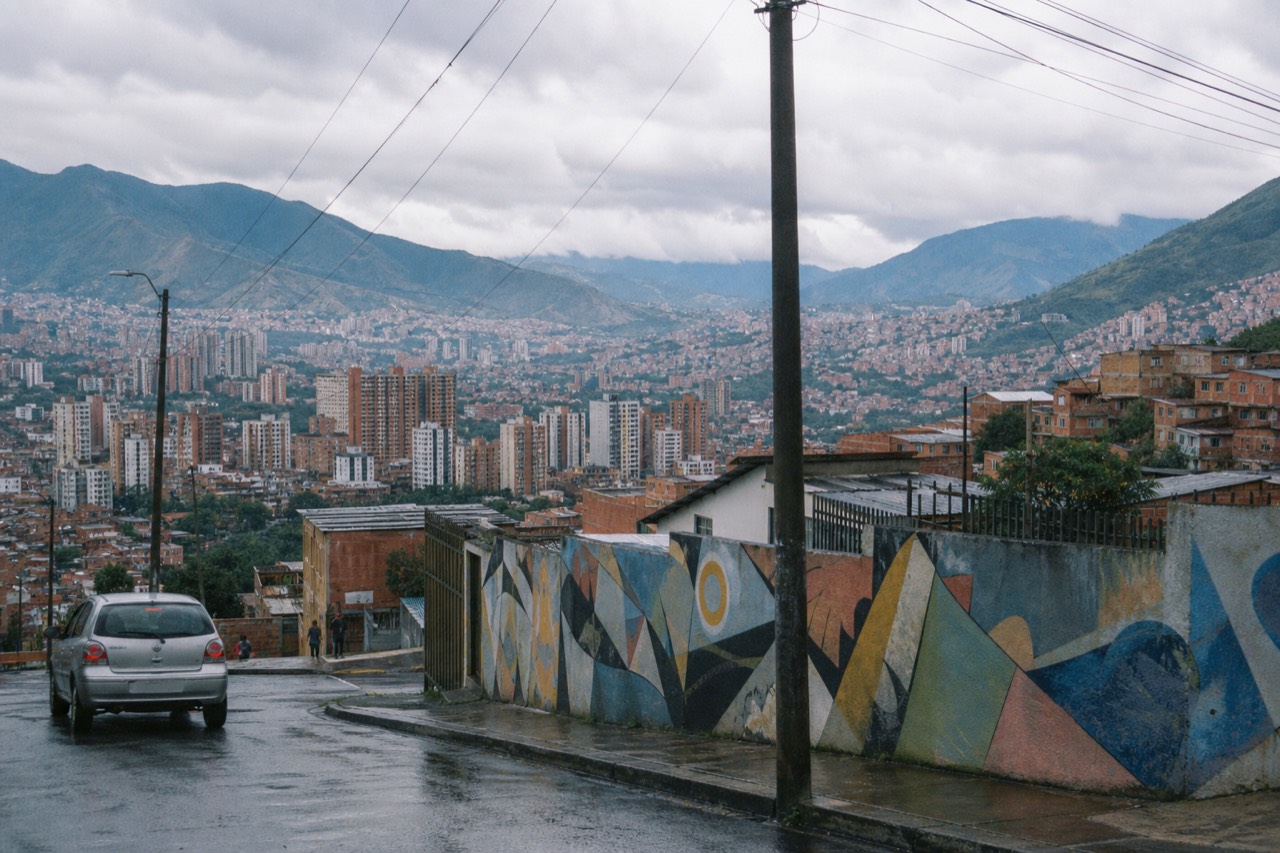
The current US advisory covering Colombia is dated March 31, 2026, and it runs to several pages. Most of that length is a list of places that are not Medellín. That single detail explains why travellers who read the headline and travellers who read the document reach different conclusions about the same trip.
Is Medellin safe for American tourists right now?
Yes, for most visitors, with the precautions any large Latin American city asks for. The country-wide advisory is Level 3, Reconsider Travel, but Medellín is in Antioquia and sits outside every Level 4 do-not-travel department. Phone theft and drink spiking are the realistic risks. Violence against tourists is not the pattern.
The Level 4 zones named in the March 2026 advisory are Arauca, Cauca outside Popayán, Valle del Cauca outside Cali, Norte de Santander, and the strip within 10 km of the Venezuelan border. None of those touches Antioquia. Where Medellín does appear in the text, it is in the context of landslide risk in mountainous cities, which is a real feature of a valley built up steep slopes in a two-season rain climate rather than a security warning.
That matters because Level 3 gets read as a verdict on an entire country when it is applied nationally to a country whose regions genuinely differ. Plenty of Americans visit Medellín every year without incident, and the city took over a million international arrivals in 2024. The advisory is not telling you the city is a war zone. It is telling you Colombia has regions where the risk is different in kind, and asking you to know which is which.
What does Level 3 actually mean day to day?
Level 3 means “Reconsider Travel,” not “Exercise Increased Caution.” Weigh whether to travel using the full advisory and your circumstances. Check your insurance policy: coverage depends on its terms, not a general promise about the advisory level.
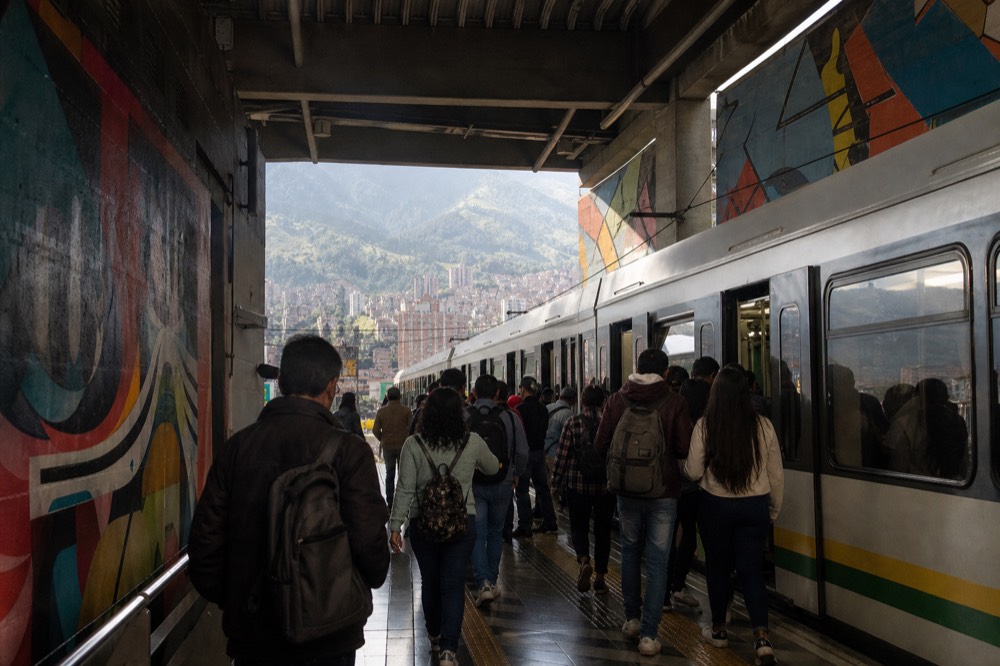
The practical translation is unglamorous. Use registered transport or a ride app instead of hailing on the street. Keep your phone in a pocket rather than a hand while walking. Carry a copy of your passport and leave the original at the hotel. Take out small amounts of cash, and do it inside a bank or a mall rather than at a street machine.
The warning that deserves the most attention is the one the US text handles generally and Canada handles specifically. Canada's advisory for Colombia flags scopolamine drugging as an ongoing method used against foreigners in cities including Medellín, usually after a stranger has established some rapport, often through a dating app or a friendly approach in a bar. The defence is absolute rather than situational: never accept a drink, food or cigarette you did not see poured or opened.
The national advisory addresses serious crime as well as opportunistic theft. Everyday precautions may reduce exposure, but they cannot make a particular itinerary or visitor safe.
| Risk | Where it shows up | Practical precaution |
|---|---|---|
| Phone snatching | Street corners, taxi windows, transit entrances | Pocket it while walking, use a wrist strap |
| Pickpocketing | Crowded markets, metro, busy attractions | Small bag worn in front, zipped |
| Scopolamine drugging | Bars, clubs, dating-app meetups | Never take an opened drink from a stranger |
| Unlicensed taxis | Street hails, late nights | Ride app or hotel-booked transport only |
| ATM robbery | Street machines, quiet hours | Withdraw inside banks and malls, daytime |
| Wandering unfamiliar areas | Peripheral barrios after dark | Stay in known neighbourhoods, go guided |
| Landslides | Steep hillsides in the wet months | Check conditions April-May and October-November |
How does Medellín compare with Cartagena and Bogotá?
All three sit under the same national Level 3 and none of them falls inside a Level 4 department. The differences are texture rather than tier: Medellín's risk concentrates in nightlife and phone theft, Cartagena's in tourist-zone hustling and scams, and Bogotá's in scale, since a much larger city has far more variation between neighbourhoods.
Cartagena feels the safest to most first-time visitors because the walled city is compact, heavily policed and permanently full of people. What travellers actually complain about there is pressure: aggressive selling, inflated prices and taxi disputes. The drink-spiking warning applies just as much on the coast as it does inland.
Bogotá asks more of you simply because of its size. Neighbourhood matters more there than in either of the other two, distances are longer, and the difference between one street and the next can be significant. Travellers who stay in the well-known districts and use ride apps generally have an uneventful time.
Medellín's own reputation lags its reality by about twenty years, and its homicide rate now sits near historic lows by the city's own counting, though it ticked up slightly from 2024 to 2025. Nightlife-related crime deserves attention, but daytime streets are not exempt from risk. Whether the city earns the trip is a separate question with a much easier answer.
| City | Same national advisory tier | What travellers actually flag | Biggest single precaution |
|---|---|---|---|
| Medellín | Level 3, no Level 4 carve-out | Phone theft, nightlife drink spiking | Nothing you did not see poured |
| Cartagena | Level 3, no Level 4 carve-out | Hustling, price gouging, taxi disputes | Agree fares and prices upfront |
| Bogotá | Level 3, no Level 4 carve-out | Neighbourhood variation, scale | Stay in known districts, use ride apps |
Where can American visitors go comfortably in Medellín?
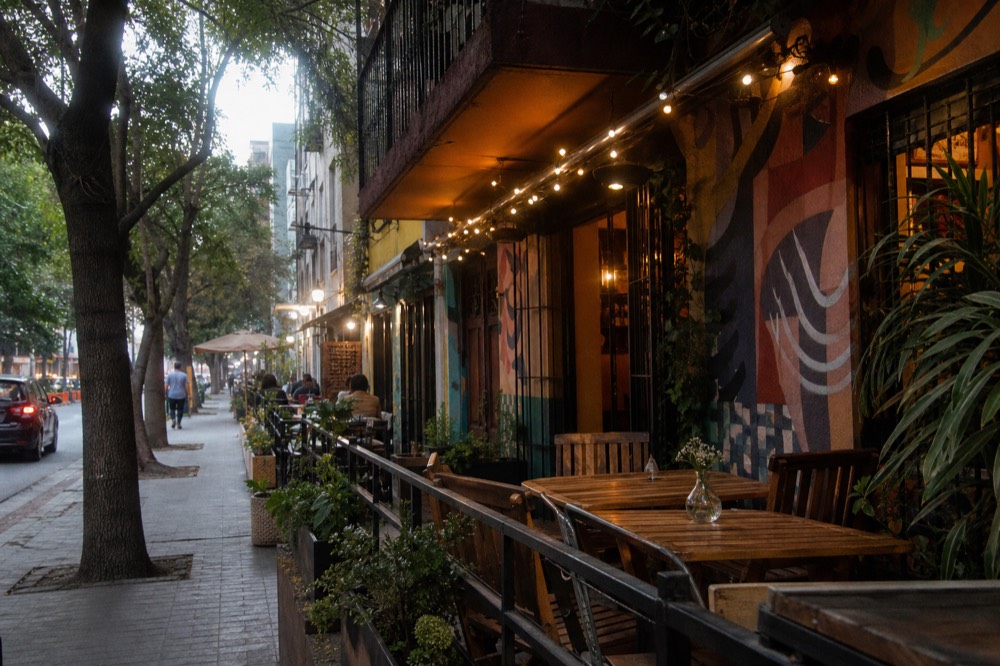
The established visitor areas in daylight, plus the Comuna 13 tourist corridor, which is heavily walked and continuously policed during the day. More than a million people walked that corridor in 2024. Peripheral barrios, unfamiliar streets after dark and street-hailed taxis are the things to leave alone.
The Comuna 13 corridor is the case that surprises people most, because its name still carries the weight of a very different era. In daylight it is a crowded public street with permanent police presence, constant guide traffic and free escalators, but visitor volume and police presence do not guarantee safety. The barrio-level safety breakdown goes through what that does and does not cover.
What it does not cover is the same hillside after sunset, or three streets off the walked route. That is not a warning about a specific threat so much as the plain fact that the crowds, policing and guide presence creating the daytime pattern all thin out at dusk. The after-dark question handles that split directly.
For anyone who would rather remove the transport and route decisions altogether, the private formats include hotel pickup and a fixed guide for the whole visit. You can see what the private metrocable walk covers on the live listing, and private walks with hotel pickup compares that category against the group options. Choosing a base matters too, and where to base yourself covers the districts most visitors end up in.
Common questions
Should I cancel a Medellín trip because of the Level 3 advisory?
Read the document before deciding. Level 3 is applied to Colombia as a whole, and its specific do-not-travel warnings cover departments a long way from Antioquia. Medellín appears in it mainly under landslide risk in mountain cities. Most travellers who read the full text end up adjusting their behaviour rather than cancelling: daylight movement, ride apps, no open drinks from strangers, and guided visits to unfamiliar neighbourhoods.
Is it obvious that I am American, and does that make me a target?
Foreign visitors are visible in Medellín, and opportunistic thieves work on visibility rather than nationality. What raises your profile is a phone in your hand on a quiet street, a visible watch or chain, or a large camera. Dressing plainly, keeping devices away while walking and using registered transport removes most of the difference. Speaking some Spanish helps more than it looks like it should.
Is the nightlife safe?
It is the part of a Medellín trip that carries the most real risk, and the reason is drink spiking rather than violence. The pattern described in the Canadian advisory involves a stranger, some rapport and something you did not open yourself. Go out with people you arrived with, keep your own drink in sight, decline invitations from new acquaintances to move somewhere else, and book transport home rather than walking.
The short version: the advisory is real, it is national, and it is not about Medellín specifically. Take the city precautions seriously, take the drink warning very seriously, and the rest of the trip looks like any large city with mountains around it. If a guided daytime visit is how you would rather start, the twelve-tour comparison sets out every bookable option with price, length and group size in one place.
Your next step
Make room for the experience
An editorial starting point — adjust it to your plans below.
Private Comuna 13 & metrocable
Have a travel date in mind? Your own guide, central Medellín hotel pickup and a three-hour Comuna 13/metrocable route. Check the departure before arranging the rest of your day.
Priced per person, with food and tips extra. Confirm the precise pickup address and any mobility needs before booking.
Choose a date to see scheduled departures. Final availability and price are confirmed on Viator.
Times are local to Medellín. Schedules do not reserve a place.No verified option fits these choices. Adjust the filters or reset to the general recommendations.
Compare options, fit and whole-party costs
Medellín city highlights & Comuna 13 — An eight-hour city circuit including Comuna 13, Botero stops, cable car and lunch. Shared group up to 40; confirm your hotel is within the pickup area.
Comuna 13, cable car & street food — A four-hour route with metro, cable car, bus, cheese arepa and coffee tasting. Meet at Poblado station. Maximum 10; not suitable for mobility impairments or travelers over 70.
Comuna 13 with local guides & snacks — Explore murals, escalators and local stories with a guide who grew up in Comuna 13, plus snacks and coffee or chocolate. Meet at Mestizaje Coffee Gallery. Not suitable for wheelchair users or hearing-impaired travelers.
Affiliate links support this guide. Product details checked 15 September 2026; confirm your selected option with the provider.