What is the safest neighborhood to stay in Medellin?
El Poblado, Laureles and Envigado are where visitors and hotels concentrate, and why. Plus what the official advisories say and the precautions that matter.
 By Andrés Restrepo, Comuna 13 tour guide & cultural specialist
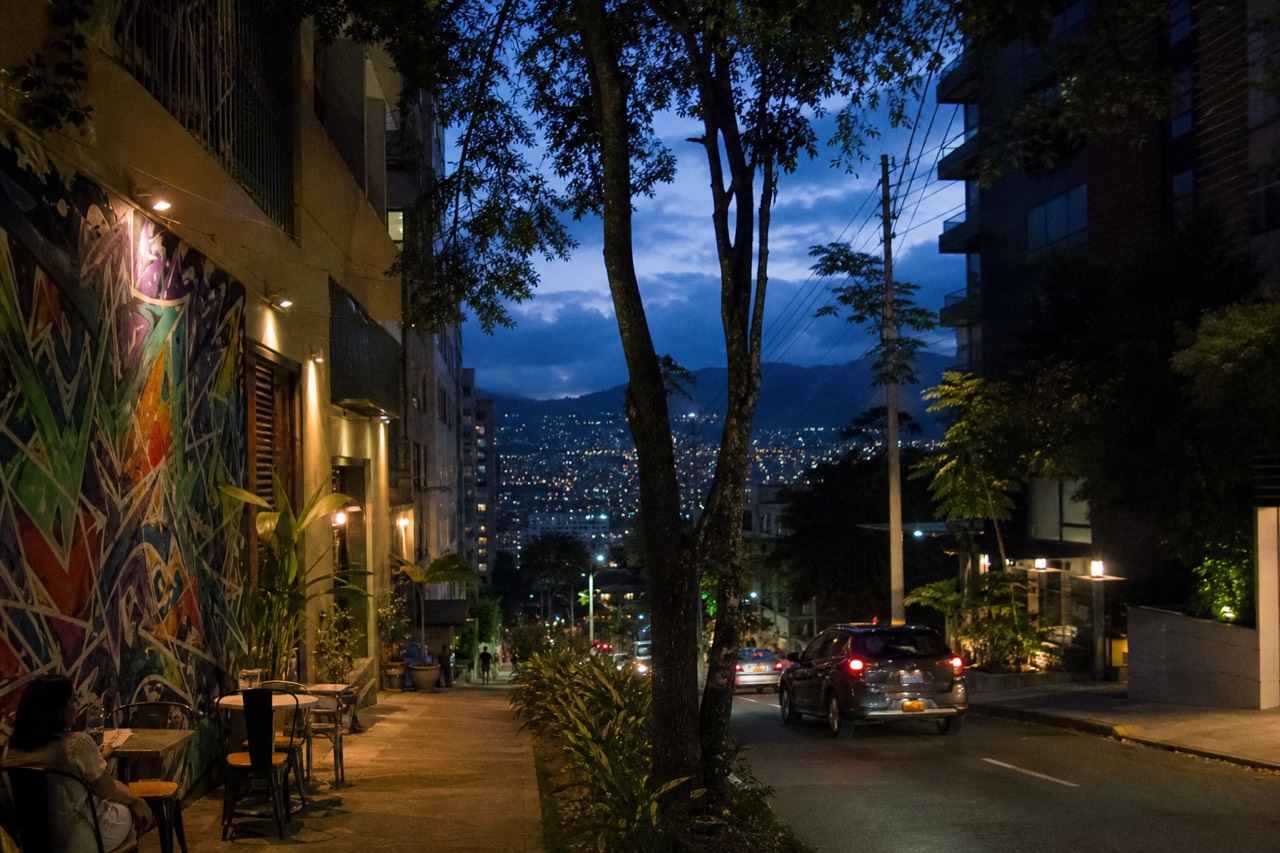
Ask ten travellers where to stay in Medellin and you get three answers. That consistency is the signal: El Poblado, Laureles and Envigado absorb almost everyone, not because a map calls them statistically safest, but because they are hotel-dense, well lit, busy into the evening and steadily patrolled. That is what a visitor experiences as safety.
Prices and review counts are August 2026 examples, not live quotes. Itinerary details were rechecked on 15 September. Confirm the final price for your date and party with the provider.
Where do most visitors stay in Medellin?
El Poblado takes the largest share, with the greatest concentration of hotels, restaurants and nightlife. Laureles is the flatter, more residential alternative that many repeat visitors prefer. Envigado sits just south, quieter again and more local. All three are hotel-dense, well lit and busy after dark, which is the practical definition of a comfortable base.
El Poblado is the default for a first trip: the deepest hotel supply at every price level, a restaurant within a short walk at almost any hour, and the most people out late. That cuts both ways, since busy areas deter opportunistic crime and also attract it.
Laureles is flat, leafy and laid out on a grid, and repeat visitors often move there on a second trip for a neighborhood that feels less like a tourist enclave. Envigado, technically its own municipality on the southern edge, is calmer again, with fewer foreign visitors and more ordinary daily life.
| Area | Character | Suits | Trade-off |
|---|---|---|---|
| El Poblado | Hilly, upscale, hotel and restaurant dense, busy late | First trips, short stays, anyone who wants everything walkable | The most visitor-focused area, and priced accordingly |
| Laureles | Flat, leafy, residential, wide walkable avenues | Second visits, longer stays, people who want to walk everywhere | Fewer big hotels, more apartments and small guesthouses |
| Envigado | Quieter, more local, its own town centre feel | Slower trips, families, anyone escaping the visitor bubble | Further from the centre, more reliance on the metro or a car |
| The city centre | Commercial, busy by day, empties at night | Day visits for the museums and plazas | Not where visitors typically book a room |
| Comuna 13 | Residential hillside, the visitor corridor is a narrow strip | A half-day visit, ideally a weekday morning | A place to visit rather than a place to stay |
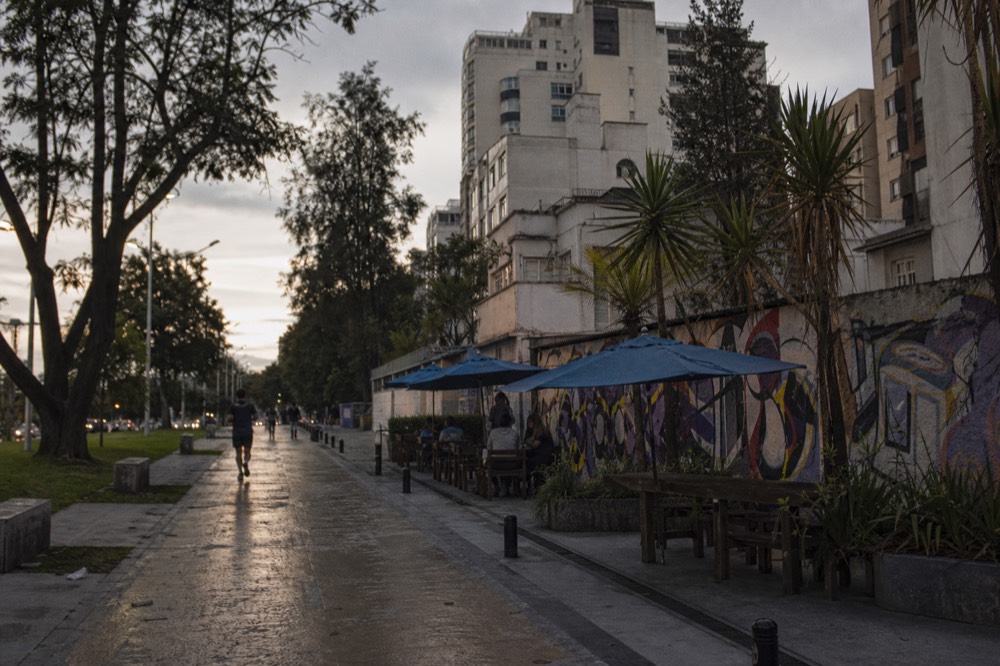
A few named places to anchor the search, all long-running properties travellers actually book. In El Poblado, The Charlee is the rooftop-scene pick, the Dann Carlton is the classic tower many returning visitors default to, and Park 10 is the quieter suite-style option a street back from the noise. In Laureles, Inntu and the Mediterráneo cover the modern and the traditional end of the same flat, walkable grid. In Envigado, the Arame is the small, well-run base most often mentioned for that quieter stretch. Rates move with dates, so check your own week.
The Charlee, El Poblado Check rates ›
Dann Carlton, El Poblado Check rates ›
Park 10, El Poblado Check rates ›
Inntu, Laureles Check rates ›
Mediterráneo, Laureles Check rates ›
Arame, Envigado Check rates ›
What do the official advisories actually say?
The United States places Colombia at Level 3, Reconsider Travel, in its advisory dated 31 March 2026. Medellin is not inside any of the Level 4 do-not-travel zones, which cover Arauca, Cauca outside Popayan, Valle del Cauca outside Cali, Norte de Santander and the strip within 10 km of the Venezuelan border. Canada's advisory separately flags scopolamine drugging.
Read the country level and the zone list together, because they say different things. A Level 3 is a country-wide posture, and the specific places the same advisory tells travellers to avoid entirely are elsewhere in Colombia. The full text sits on the US Embassy's advisory page, and it is the document worth checking rather than any secondhand summary.
Canada's Colombia guidance is the more useful one on the risk visitors actually meet. It flags scopolamine, used to drug and rob people after some trust is established, often through dating apps or a friendly stranger in a bar. The advice that follows is unglamorous and effective: refuse drinks and food from strangers, never leave a glass unattended, and do not meet an app match alone.
Neither advisory singles out El Poblado, Laureles or Envigado. Both make clear that the risks facing visitors here are crimes of opportunity and deception rather than anything targeted, which is why the advice below is about habits rather than addresses.
Should you stay in Comuna 13?
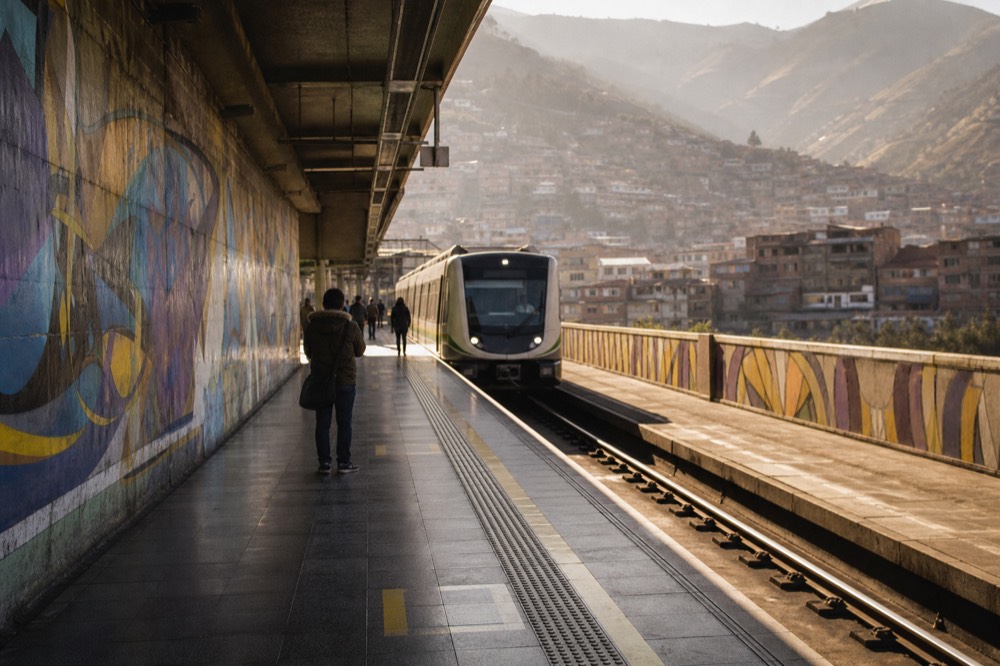
Almost nobody does, and the neighborhood itself does not really invite it. Comuna 13 is a residential hillside of roughly 160,000 people where the visitor corridor is a narrow, heavily walked, daylight-policed strip. It is a half-day visit from wherever you are based, not a place to book a room.
The daytime picture on the corridor is reassuring: crowds, steady police presence, guides working the route all day, a reliable tour-specific incident rate is not established here; crowds and guiding do not guarantee safety. Petty theft in a crowd is the realistic risk, as at any packed attraction, and the daytime safety picture on the hill goes through it properly.
After dark is a different neighborhood, and every local guide says so. The corridor empties, shops close, the police presence thins, and the wider comuna returns to being an ordinary residential area. Why nobody recommends the barrio after dark explains what changes and when.
What precautions do regular visitors take?
The same short list everywhere in the city. Keep the phone away on the street, take registered taxis or a ride app rather than flagging cars, do not accept drinks from strangers, carry small cash rather than a card wallet, and stay in busy well-lit areas after dark. Nothing on that list is specific to one neighborhood.
| Habit | Why it matters here |
|---|---|
| Phone out of sight while walking | Opportunistic snatching is the most common visitor complaint in busy areas |
| Ride apps or registered taxis at night | Removes the two riskiest minutes of any evening, the ones spent waiting on a kerb |
| Never leave a drink unattended | Directly addresses the scopolamine risk both advisories describe |
| Small cash, one card, nothing else | Limits what a bad five minutes can actually cost |
| Day bag worn in front in crowds | The corridor in Comuna 13 and any packed market are the places to bother |
| Meet dating-app matches in public only | The Canadian advisory names this as a recurring pattern in Colombian cities |
None of this is unusual for a large Latin American city, and travellers who apply it tend to find Medellin easier than expected. What American visitors ask most about safety covers the country-level questions, and whether the city earns the trip answers the bigger one underneath.
How do tours reach you from these areas?
Two ways. Shared walks meet at a central point or a metro station, and the ride out to San Javier takes about 30 to 40 minutes from El Poblado on a single integrated fare. Private tours collect you at your hotel door in El Poblado, Laureles or Envigado, which removes the transfers entirely.
For a shared walk, the metro does the work. Line B ends at San Javier, one fare covers the connecting cable-car line, and the metro's own network information has current schedules. Getting from your hotel to San Javier has the line changes and the walk at the far end.
The private options exist for people who would rather not work any of that out: a car, a driver, hotel pickup from the main visitor zones, and four to five hours pairing the barrio with the city's wider 1990s history. That version runs from $113 with a 4.9 rating across 258 reviews, and you can check the private tour's pickup zones and dates or scan the rest of the private walks with hotel pickup side by side. Everything else, shared and private, sits in all twelve bookable walks in one table.
Frequently asked questions
Is El Poblado or Laureles safer for tourists?
Neither has a claim on being safer in any measurable sense, and both draw visitors for the same reasons: hotel density, lighting, evening foot traffic and steady patrolling. El Poblado is busier and more visitor-focused, which makes it convenient and also the place opportunistic thieves look. Laureles is flatter and more residential, and many repeat visitors prefer it.
What does the US travel advisory say about Medellin?
Colombia sits at Level 3, Reconsider Travel, in the advisory dated 31 March 2026, citing crime, terrorism, civil unrest and kidnapping. Medellin is not among the Level 4 do-not-travel areas: Arauca, Cauca outside Popayan, Valle del Cauca outside Cali, Norte de Santander and the zone within 10 km of the Venezuelan border. Check the current text before travelling.
Can you stay overnight in Comuna 13?
It is a residential neighborhood rather than a lodging district, and visitors are not typically based there. The corridor is busy, well walked and policed by day, and it empties after dark. The standard approach is to stay in El Poblado, Laureles or Envigado and visit the hill for a half day, ideally on a weekday morning.
Your next step
Make room for the experience
An editorial starting point — adjust it to your plans below.
Private Comuna 13 & metrocable
Have a travel date in mind? Your own guide, central Medellín hotel pickup and a three-hour Comuna 13/metrocable route. Check the departure before arranging the rest of your day.
Priced per person, with food and tips extra. Confirm the precise pickup address and any mobility needs before booking.
Choose a date to see scheduled departures. Final availability and price are confirmed on Viator.
Times are local to Medellín. Schedules do not reserve a place.No verified option fits these choices. Adjust the filters or reset to the general recommendations.
Compare options, fit and whole-party costs
Comuna 13 with local guides & snacks — Explore murals, escalators and local stories with a guide who grew up in Comuna 13, plus snacks and coffee or chocolate. Meet at Mestizaje Coffee Gallery. Not suitable for wheelchair users or hearing-impaired travelers.
MDE airport arrival transfer — A private arrival transfer from José María Córdova airport to your Medellín accommodation. Give flight and hotel details. Nearby towns and extra stops cost extra; this transfer does not include a Comuna 13 visit.
Comuna 13, cable car & street food — A four-hour route with metro, cable car, bus, cheese arepa and coffee tasting. Meet at Poblado station. Maximum 10; not suitable for mobility impairments or travelers over 70.
Affiliate links support this guide. Product details checked 15 September 2026; confirm your selected option with the provider.